OMNI
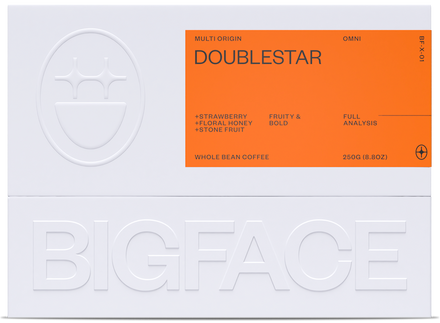
SUBSCRIBE & SAVEDOUBLESTAR
Fruity & Bold
$28
Learn
How we brew at BIGFACE, step by step. Start with one of the two recipes below, taste, then adjust. Looking for drinks? See our recipes.
Two starting recipes that work with every BIGFACE coffee. Weigh everything: a gram either way changes the cup more than you'd think.
Pour-over and drip
Shots and milk drinks
Change one thing at a time, and keep notes.
| If it tastes | Try |
|---|---|
| Sour or thin | Grind finer. The water is running through too fast. |
| Bitter or heavy | Grind coarser. The brew is dragging and over-extracting. |
| Sharp or perfume-like | Lower the water temperature, staying within 199–201°F. |
| Muddy or unclear | Even out your grind, and level the bed before you tamp. |
| Flat or watery | For espresso, pull a shorter shot, closer to 1:2. |
Dialing in never really ends. Humidity, your grinder and your water all shift the cup, so taste, adjust and repeat.
Omni coffees are blends from more than one origin, built for balance and to work in any brewer. Isolated Origin coffees come from one farm or community, with no blending, so you taste one specific place. Want an everyday coffee for any brewer? Start with Omni. Want to taste what one farm and process can do? Choose an Isolated Origin.
Each Isolated Origin coffee is roasted for one brew method. Espresso roasts extract well under pressure and hold up in milk. Filter roasts show clarity and brightness in pour-over and drip. Omni blends are roasted to work for both.
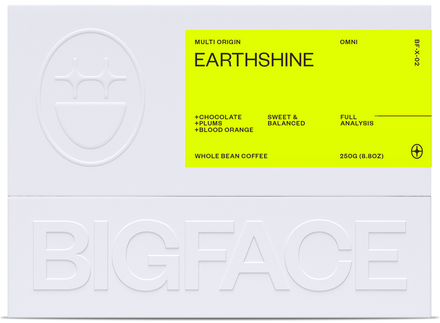
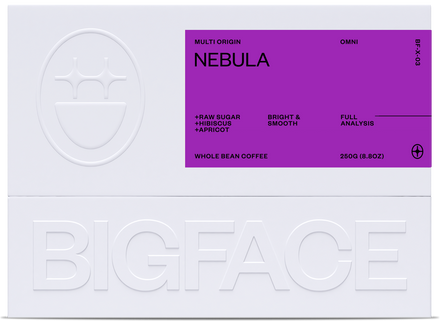
The Omni Trio: Doublestar (fruity and bold), Earthshine (sweet and balanced) and Nebula (bright and smooth). All three are forgiving by design and taste good on your first dial-in. Once you know what you like, go deeper with an Isolated Origin.
Neither. They're different tools. Single origins show off one place and reward slower methods like pour-over. Blends are built for consistency and versatility, and they're the more forgiving choice for home espresso and milk drinks. Most serious coffee drinkers keep both in rotation.
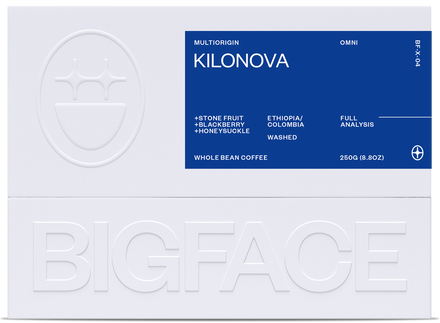
After harvest, the fruit is removed from the coffee before it ferments and dries. That gives a cleaner, more defined cup, with bright acidity, floral notes and clarity. Washed coffees also tend to be more consistent shot to shot.
Not right now. Every coffee ships whole and roasted to order. Grind just before you brew: medium for filter, fine for espresso.